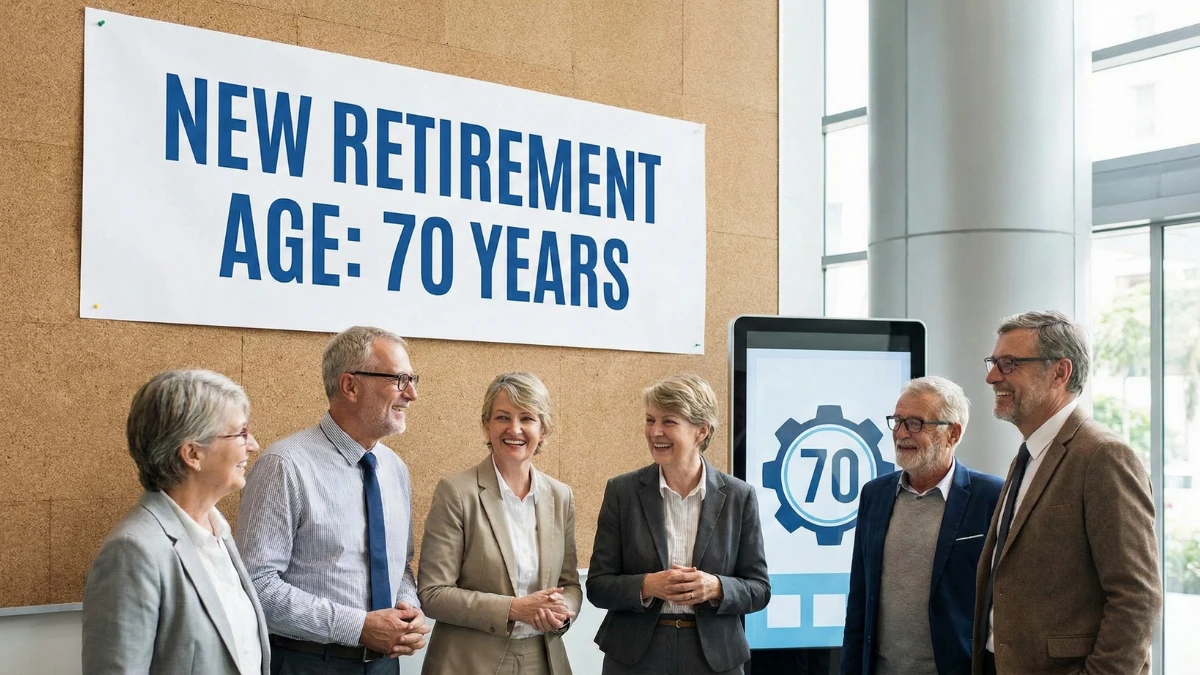
A major discussion is gaining momentum around the retirement age being raised to 70 years, a move that could significantly reshape employment, pensions, and workforce planning across the country. If implemented, the new retirement age for employees would allow longer service tenure, higher lifetime earnings, and delayed pension payouts, while also triggering debate on youth employment and career progression.
Why the Retirement Age Is Being Considered for Increase
The proposal is driven by longer life expectancy, improved healthcare, and the need to retain experienced professionals in key sectors. Policy-level discussions under the Government of India suggest that extending the retirement age could reduce pension burden pressure and help address skill shortages in administration, education, and technical services.
Retirement Age Proposal – Key Snapshot
| Aspect | Details |
|---|---|
| Current Retirement Age | 60–62 years (sector-wise) |
| Proposed New Age | 70 years |
| Employees Affected | Government & organised sector |
| Pension Impact | Deferred payouts |
| Status | Under discussion |
Who Will Be Affected by a 70-Year Retirement Age
If approved, the change would primarily impact government employees, PSU staff, and professionals in organised sectors, allowing them to remain in service longer. Private sector adoption would depend on company policies, but the proposal could influence broader employment norms.
Potential Benefits of Increasing Retirement Age
Supporters argue that a higher retirement age means greater financial security, higher pensions, and better utilisation of experience. It also helps organisations retain skilled manpower without immediate recruitment pressure.
Concerns and Challenges
Critics warn that raising the retirement age to 70 could slow down promotions, reduce job openings for younger candidates, and create workforce stagnation. Balancing senior retention with youth employment will be a key policy challenge.
Key Points on Retirement Age Proposal
- Retirement age may be increased up to 70 years
- Longer service means higher earnings and pensions
- Youth employment impact under review
- No official notification issued yet
Conclusion
The proposal to raise the retirement age to 70 years marks a potentially historic shift in employment policy. While it promises financial stability and experience retention, its success will depend on careful implementation and sector-specific application. Employees should wait for official confirmation before making long-term career or retirement decisions.
Disclaimer
This article is for informational purposes only and is based on policy discussions, reports, and public debate available at the time of writing. Final decisions on retirement age limits will be made through official government notifications. Readers are advised to rely on authenticated announcements for confirmed information.