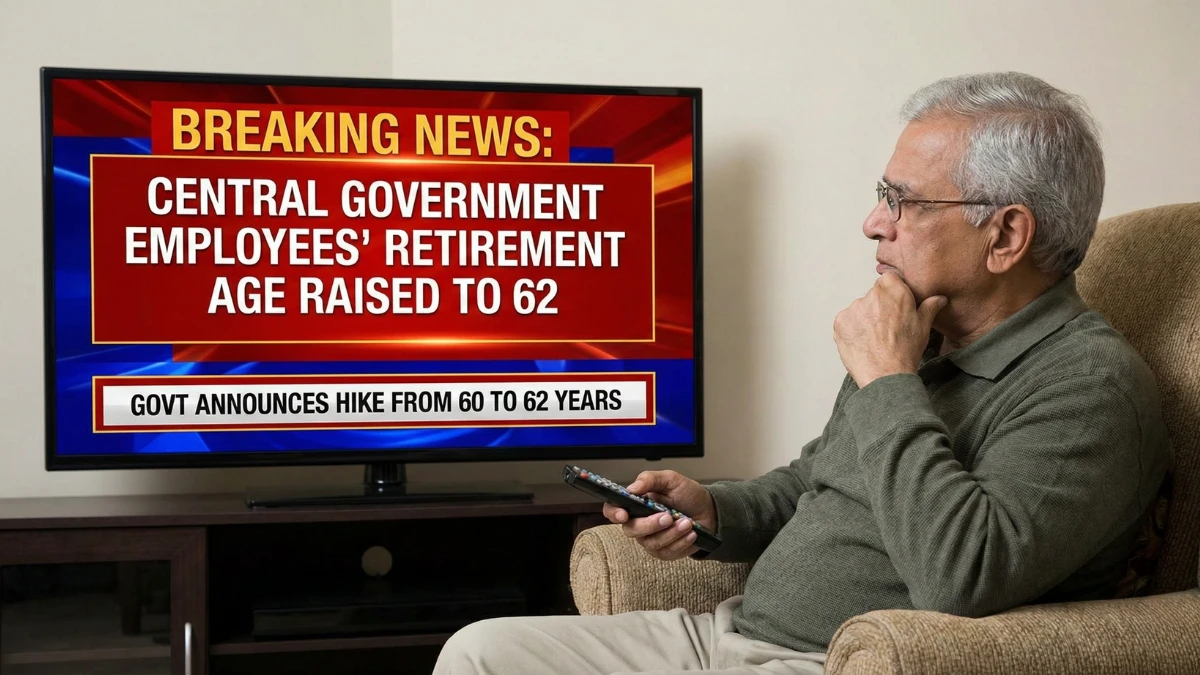
The retirement age hike discussion has resurfaced strongly, with reports and policy chatter suggesting that the Central Government employees’ retirement age could be raised to 62, a move aimed at retaining experienced manpower, easing pension pressure, and aligning service tenure with rising life expectancy, though no final notification has been issued yet.
Why Retirement Age Hike Is Being Discussed
The proposal is being debated in the context of longer life expectancy, skilled workforce shortages, and administrative continuity, as experienced employees play a key role in policy execution, mentoring younger staff, and maintaining institutional knowledge across departments.
Retirement Age Proposal Overview
| Aspect | Current Status | Proposed Change |
|---|---|---|
| Retirement Age | 60 years | 62 years (under discussion) |
| Applicable To | Central Govt employees | Same category |
| Objective | Timely exits | Retain experience |
| Pension Impact | Earlier payout | Deferred payout |
| Status | Existing rule | No official approval yet |
How a Retirement Age Hike Could Impact Employees
If implemented, the hike would allow employees to serve two additional years, increasing salary earnings, service tenure, and pension base, while also offering greater job security toward the end of their careers.
Effect on Youth Employment and Promotions
One major concern surrounding the proposal is its potential impact on youth recruitment and promotional timelines, as extended service may slow down vacancies, which is why the government is expected to weigh workforce balance carefully before any decision.
Financial Impact on Government and Pension System
Raising the retirement age could help reduce immediate pension outflows, improve fiscal efficiency, and allow better utilization of trained personnel, although it may also increase short-term salary expenditure.
Key Points Employees Should Know
- No official notification confirming retirement age hike to 62
- Policy discussions and reports are ongoing
- Any change would apply prospectively
- Service rules will be amended only after approval
- Employees should rely on official DoPT notices
What Central Government Employees Should Do Now
Employees are advised to track official announcements, avoid relying on social media claims, and continue retirement planning based on existing rules until a formal government order is issued.
Conclusion
The retirement age hike to 62 remains a topic of active discussion rather than a confirmed policy, but if approved, it could significantly reshape career timelines, pension planning, and workforce dynamics for Central Government employees.
Disclaimer
This article is based on reports, policy discussions, and public speculation. As of now, no official government notification confirms an increase in the retirement age. Final decisions will be announced only through authorized government channels.